
Holistic website design best practices
Your holistic practice does something most businesses don’t: you build long-term relationships with patients who found you through a Google search, a referral, or a directory listing. Your website has to earn trust before someone picks up the phone. This guide covers what makes a holistic website effective, what it should cost, and how the best wellness practitioner websites are built.
Looking to hire someone instead of doing this yourself? See our holistic website design services and what a website costs.

What is holistic web design?
Holistic web design is website design built specifically for wellness, naturopathic, and integrative health practitioners. It is not a generic design philosophy or a set of UX principles. It is a specialized field where the designer understands HIPAA-compliant intake forms, supplement dispensary integrations, telehealth booking, and the way clients research alternative health providers before they pick up the phone.
A naturopathic doctor’s website has to do things a standard business site never will. It needs to explain lab testing in plain language. It needs to list credentials that most visitors have never heard of. It needs a booking flow that routes new patients through intake forms and consent documents before the first appointment.
That is what separates holistic web design from regular small business web design. The platform is the same (we build on WordPress with Elementor). The thinking behind every page is different. Each layout decision starts with one question: will this help a cautious, health-focused visitor trust this practitioner enough to book?
We cover the specific requirements for each practitioner type, from functional medicine to energy healing to wellness coaching, later in this guide. If you want to skip ahead to what your modality needs, jump to web design by practitioner type.
Why holistic web design is different from regular web design
A yoga instructor’s website shouldn’t look like a plumber’s website. Obvious, but most small business web designers treat every industry the same. Same templates. Same stock photos. Same “about us” page that could belong to anyone.
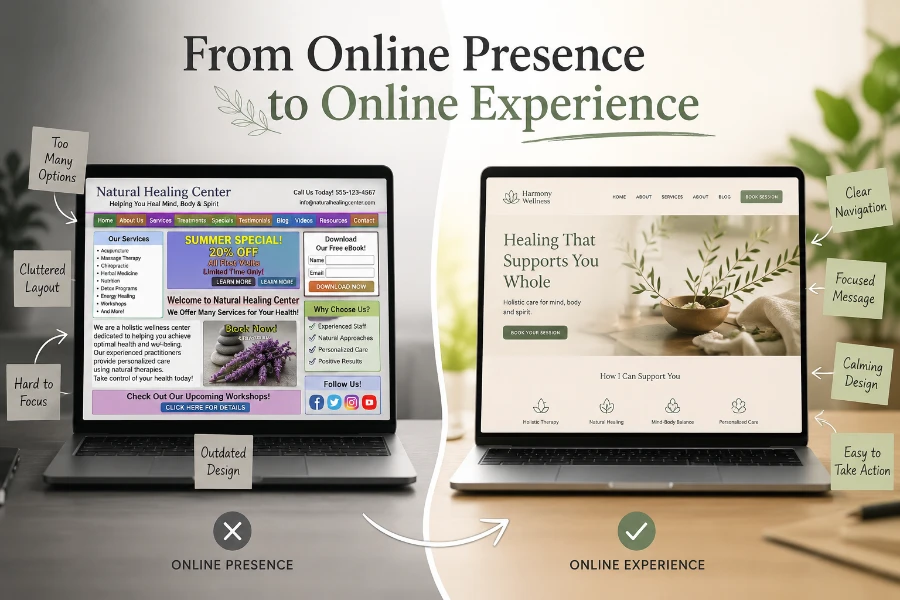
Holistic web design builds the site around three things regular business sites ignore:
The emotional state of your visitor. Someone searching for an energy healer or a naturopathic doctor is often dealing with a health issue that conventional medicine hasn’t resolved. They’re skeptical, hopeful, and cautious at the same time. Your website needs to meet them there, not hit them with a sales pitch.
Practice-specific trust signals. Credentials, certifications, professional memberships, and client testimonials carry more weight in alternative health than in most industries. A visitor needs to see these within seconds of landing on your site.
A clear path from curiosity to booking. The gap between “this practitioner looks interesting” and “I just booked my first appointment” should be two clicks, not five.
See our holistic web design services | Book a free call
Essential features every holistic practitioner website needs
The features that matter most depend on your practice type (we cover that in the next section). But certain elements are universal across every holistic, wellness, and integrative health website.
Brand identity and visual design that reflects your practice
Your color palette, typography, and imagery should match the energy of your practice. A trauma-informed therapist’s site should feel calm and grounded. A high-energy wellness coach’s site can be brighter and more dynamic. Earth tones, soft greens, warm neutrals, and muted blues dominate the wellness space for good reason, but the goal isn’t following trends. The goal is authenticity.

Use real photos. Stock images of someone meditating on a beach tell your visitor nothing about your actual practice. Invest in a professional photo session in your treatment space. One afternoon of shooting gives you enough imagery for your entire website, social media, and Google Business Profile.
Keep the layout clean. White space isn’t wasted space. Minimalist design with generous margins lets your message breathe and creates the sense of calm your visitors are seeking. Cluttered pages with competing elements work against the serene brand you’re building.

Mobile-first design and page speed optimization
Over 60% of health-related searches happen on mobile devices. If your website loads slowly or looks broken on a phone, you lose visitors before they read a single word.
Target a load time under 3 seconds. Compress images, use a fast hosting provider like SiteGround and avoid bloated page builders. WordPress with Elementor strikes a good balance between design flexibility and performance when configured properly.
Test on real devices. Open your website on your phone right now. Can you book an appointment within two taps? Can you find your phone number without scrolling? If not, mobile visitors are bouncing. Run your URL through Google PageSpeed Insights to see your current performance score.
Online booking and scheduling integration
This is the single feature that separates wellness websites that generate clients from wellness websites that sit idle. If someone has to email you, wait for a response, and then go back and forth about times, you’ve lost them.
Calendly works for most solo practitioners. It’s simple, handles time zones, and syncs with Google Calendar.
Practice Better is the standard for functional medicine and nutrition practices. It handles booking, intake forms, protocols, and supplement dispensing in one platform.
Jane App is built for health practitioners. It manages booking, charting, billing, and telehealth. Popular with acupuncturists, naturopaths, and physiotherapists.
Embed your booking widget directly on your website. A “Book Now” button should be visible on every page, and it should take no more than two clicks to reach your calendar.
Client testimonials and social proof
Testimonials are the most powerful trust-building tool on a holistic practitioner’s website. Prospective clients want to hear from people who had the same doubts they have and found real results. See how we present client testimonials on our own site for inspiration.
Place testimonials throughout your site, not just on a dedicated testimonials page. Your homepage, service pages, and about page should each include at least one client quote. Video testimonials perform even better than written ones because they’re harder to fake and carry more emotional weight.
Add Google review schema markup to your testimonials so they can appear as star ratings in search results. This increases click-through rates from organic search. Rank Math makes adding review schema straightforward in WordPress.
HIPAA-compliant contact forms and patient intake
If your website collects any patient health information, including intake forms, health questionnaires, or appointment details that reference medical conditions, your forms need to meet HIPAA requirements.
Standard WordPress contact form plugins like Contact Form 7 and WPForms are not HIPAA-compliant by default. You need either a HIPAA-compliant form provider (Jotform HIPAA, IntakeQ) or a practice management system with built-in secure forms (Practice Better, Jane App, SimplePractice).
Even if you’re not technically required to comply with HIPAA (not all holistic practitioners are), using secure forms signals professionalism and builds trust. Learn more about must-have medical website features in our related guide.

Web design by practitioner type
A reiki healer’s website has different requirements than a functional medicine doctor’s site. The content, the trust signals, the integrations, and even the visual design should reflect the specific modality and the clients it attracts. This section breaks down what each practitioner type needs.
Websites for functional medicine practices
Functional medicine patients are researchers. They’ve often spent months reading about their condition before they search for a practitioner. Your website needs to match that level of depth.
Patient education content. Create dedicated pages for each condition you treat: thyroid disorders, gut health, hormone imbalances, autoimmune conditions. These pages serve double duty as SEO content and as trust-builders for prospective patients who want to know you understand their specific issue. See medical clinic website design examples for how other practices structure this content.
Supplement dispensary integration. If you prescribe supplements, integrate Fullscript or Wellevate directly into your website. Patients can order their protocols online, and you earn a margin on every sale. It’s a revenue stream and a convenience feature in one.
Lab testing information pages. Explain the types of testing you offer (GI-MAP, DUTCH, comprehensive blood panels) and why they matter. Patients who understand your testing approach before the first appointment are better prepared and more committed.
Telehealth booking. Functional medicine consultations translate well to virtual visits. Make sure your booking system supports video appointments and that your website clearly communicates you offer telehealth. Practice Better includes built-in video calling that keeps everything in one system.
Root-cause messaging. Your homepage copy should immediately communicate that you treat root causes, not symptoms. Lead with the patient’s frustration: “Tired of being told your labs are normal when you feel anything but? We dig deeper.”
If your practice is specifically naturopathic, see our dedicated naturopathic website design page for ND-specific features like dispensary integration and root-cause messaging.
Websites for energy healers and reiki practitioners
Energy healing sits at the intersection of deep belief and deep skepticism. Your website needs to welcome both the committed client and the curious newcomer.
Explain your modality without jargon. Describe what happens during a session in plain language. “You’ll lie fully clothed on a treatment table while I place my hands lightly on or near specific points on your body” is clearer and less intimidating than “I channel universal life force energy through your chakra system.”
Virtual session capabilities. Distance reiki and remote energy work gained mainstream acceptance during 2020 and haven’t slowed down. If you offer virtual sessions, make that clear on your homepage and create a separate service page for it.
Testimonial-forward design. For modalities where the mechanism isn’t well understood by the general public, client stories do more selling than your explanation of the practice. Lead with results. Put testimonials above the fold on your homepage.

Websites for holistic therapists and counselors
Therapist websites carry specific requirements that most web designers miss.
HIPAA compliance is mandatory. Therapists handle protected health information. Your contact forms, intake processes, and any client communication through the website must be HIPAA-compliant. Use SimplePractice, TherapyNotes, or Jane App for integrated, secure intake.
Insurance information pages. If you accept insurance, list which plans you take. If you’re out-of-network, explain superbill options clearly. Ambiguity about cost drives potential clients away.
Psychology Today and directory profile linking. Many therapists get significant referral traffic from Psychology Today profiles. Your website and your directory profiles should link to each other, present consistent information, and use matching professional photos.
Websites for wellness coaches and health coaches
Coaching websites need to sell transformation, not credentials. Your clients are buying an outcome, not a certification.
Program and package pages. Create a dedicated page for each coaching program with clear deliverables, duration, and pricing. “12-week gut health reset: weekly 1-on-1 calls, custom meal plans, supplement protocol, and Voxer access between sessions” gives prospects enough information to self-qualify.
Lead magnets and email list building. A free resource (meal plan, health assessment quiz, symptom checklist) in exchange for an email address builds your list and warms prospects before they’re ready to buy. Integrate Mailchimp, MailerLite or ConvertKit with a pop-up or inline form on your blog posts.
Course platform integration. If you offer digital courses or group programs, integrate your course platform (Teachable, Kajabi, Thinkific) with your main website for a seamless experience. Avoid sending clients to a completely different-looking platform.
Website feature comparison by practitioner type
| Feature | Functional medicine | Energy healer / Reiki | Holistic therapist | Wellness coach |
| Telehealth integration | Essential | Helpful | Essential | Helpful |
| HIPAA compliance | Required | Not required | Required | Not required |
| Supplement dispensary | Essential | Not needed | Not needed | Sometimes |
| Patient portal | Recommended | Not needed | Recommended | Not needed |
| Course/program pages | Sometimes | Sometimes | Rarely | Essential |
| Insurance info pages | Sometimes | Rarely | Often | Rarely |
| Blog content | Recommended | Recommended | Recommended | Essential |
| Typical cost range | $2,500-$5,000+ | $2,000-$4,000 | $2,500-$4,000 | $2,000-$4,000 |
SEO for holistic practitioners: getting found by the right clients
You can have the most beautiful holistic website on the internet. If it doesn’t show up when potential clients search for your services, it’s a digital brochure that nobody reads.
Google Business Profile is your highest-ROI channel. Claim and fully optimize your Google Business Profile with your practice name, address, phone number, hours, services, photos, and a detailed description. Ask every satisfied client to leave a Google review. Practices with 20+ reviews and a 4.8+ rating dominate the local map pack for “[modality] near me” searches. Read our full guide on local SEO for medical practices for a step-by-step approach.

Build dedicated service pages, not one page listing everything. Instead of a single “Services” page that lists acupuncture, herbal medicine, and nutrition counseling in three bullet points, create a separate page for each service. Each page should target a specific keyword (“acupuncture in [your city]”) and include 500 to 800 words of content explaining the service, who it’s for, and what results clients can expect.
Blog about the conditions you treat, not about yourself. Write articles like “Can acupuncture help with anxiety?” and “What causes SIBO and how functional medicine treats it.” These pages attract people who are actively searching for solutions to their health problems. That’s a much warmer audience than someone who stumbles onto your homepage.
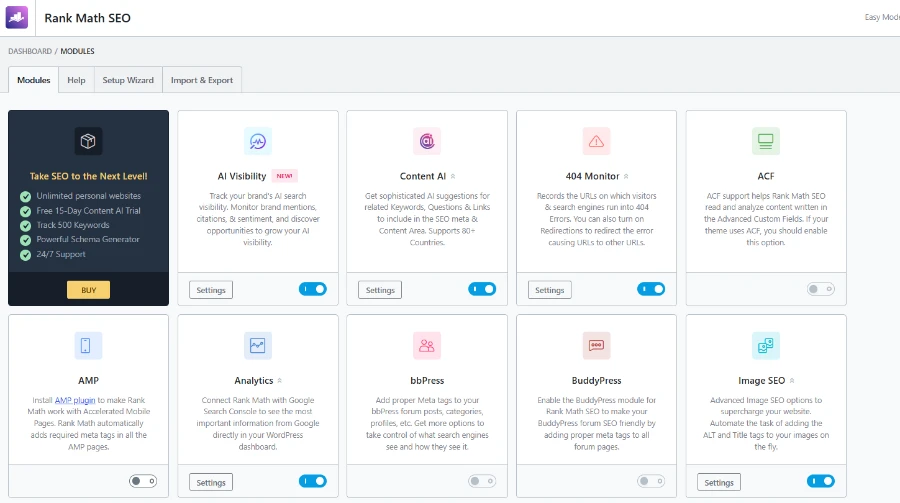
Install Rank Math or Yoast for on-page SEO. Rank Math and Yoast SEO are WordPress plugins that guide you through optimizing each page’s title tag, meta description, heading structure, and keyword usage. They won’t do the work for you, but they flag the most common mistakes. We use Rank Math across all of our client sites.
Connect Google Analytics 4 and Google Search Console. GA4 shows you how visitors behave on your site. Google Search Console shows which search queries bring people to your site and where you rank. Without these tools, you’re guessing. With them, you can focus your effort on the pages and keywords with the most potential.
Web design for holistic practitioners, what’s different
A holistic practitioner’s website has different priorities than a restaurant or a law firm. Your visitors are evaluating your credentials, your philosophy, and whether they feel comfortable in your care. That means your site needs a clear about page with your training and certifications, a services page that explains what each treatment does without jargon, a booking system that works on mobile, and testimonials from real patients. We build these pages for acupuncturists, naturopathic doctors, functional medicine practitioners, chiropractors, and wellness coaches.
Who we build websites for
We specialize in web design for healers and wellness practitioners across these modalities:
Naturopathic doctors and functional medicine practices. Patient education pages, supplement dispensary integration with Fullscript, telehealth booking, and HIPAA-compliant intake forms. Your patients are researchers. They’ve spent months reading about their condition before they search for you. Your site needs to match that depth.
Acupuncturists and traditional Chinese medicine practitioners. Service pages for each service you offer (acupuncture, cupping, herbal medicine), condition-specific content that ranks in search, and Google Business Profile setup for local visibility.
Holistic therapists and counselors. HIPAA-compliant everything. Secure intake forms through SimplePractice or TherapyNotes. Insurance information pages. Directory profile linking with Psychology Today.
Wellness coaches and health coaches. Program and package pages with clear deliverables and pricing. Lead magnets. Email list integration with Mailchimp or ConvertKit. Course platform integration if you sell digital products.
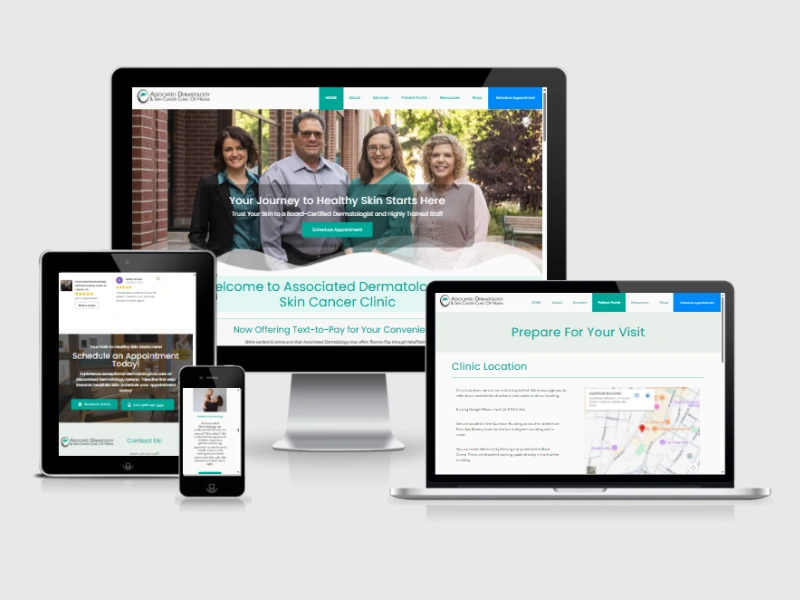
Wellness clinics and holistic health centers. Multi-provider sites with individual practitioner bios, combined service pages, and a unified booking system that routes to the right provider.
Yoga studios, meditation teachers, and mindfulness practitioners. Class schedules, workshop registration, retreat booking, and membership integration.
We also build sites for massage therapists, nutritionists, herbalists, midwives, and chiropractors. If your practice falls under the wellness umbrella, we’ve built a site for someone doing similar work.
See all the holistic, medical, and small business websites our team has built in our web design portfolio, including naturopathic clinics, counseling practices, and wellness centers.
How much does a holistic website cost?
Pricing depends on scope, platform, and the features you need. Here are realistic ranges based on what we see across the industry in 2026. You can find out more on our web design pricing page.
The agency size factor. A mid-sized or full-service digital agency will charge $10,000 to $50,000+ for a holistic practitioner website. You’re paying for their office space, account managers, project managers, creative directors, and layers of overhead that have nothing to do with your actual website. The deliverable is often the same WordPress site a smaller team could build for a fraction of the cost.
A small, agile agency hits the sweet spot. Happy Website Design operates as a small agency with 20+ years of experience and zero bloat. No account managers scheduling meetings about meetings. No creative directors billing hours to review work you already approved. You work directly with the people building your site, which means faster turnarounds, lower costs, and decisions that don’t pass through three departments before anything happens.
That’s why our pricing runs significantly lower than what a full agency charges for the same quality of work.
Basic practitioner website ($2,500 to $4,000). 5 to 10 pages. Home, about, services, contact, blog. WordPress or Squarespace. Responsive design, basic SEO setup, contact form. Suitable for solo practitioners who primarily get clients through referrals and want a professional web presence.
Mid-range website with booking and intake ($4,000 to $6,000). 10 to 15 pages. All of the above plus online booking integration (Calendly or Jane App), secure intake forms, Google Business Profile setup, testimonials page, and blog with content strategy. Suitable for growing practices that want to attract clients through search.
Full custom with patient portal and e-commerce ($6,000 to $10,000+). 15+ pages. Everything above plus patient portal, HIPAA-compliant forms, custom design, advanced SEO, content writing, and ongoing maintenance. Suitable for functional medicine practices, multi-provider clinics, and practitioners building a digital product business.
Ongoing maintenance and hosting runs $50 to $200 per month for most practitioners. We offer hosting and maintenance packages starting at competitive rates.
Holistic website examples: what great wellness sites look like


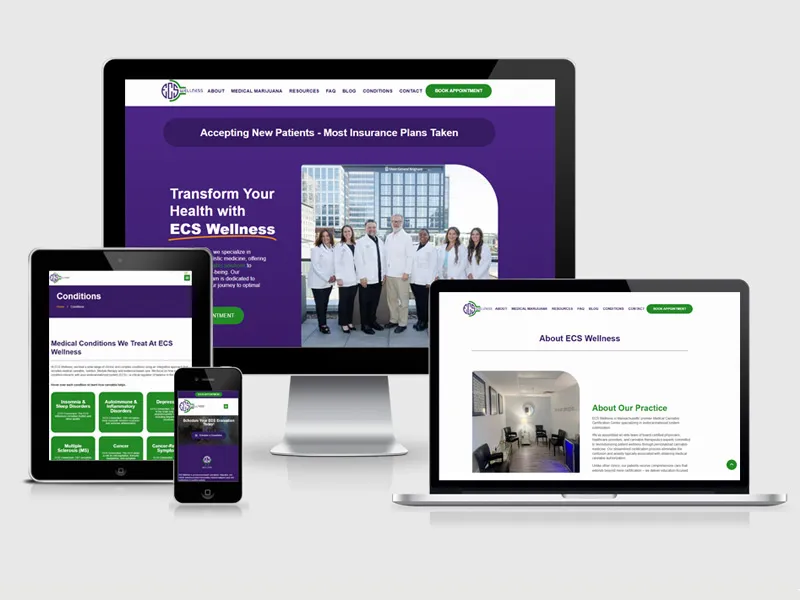

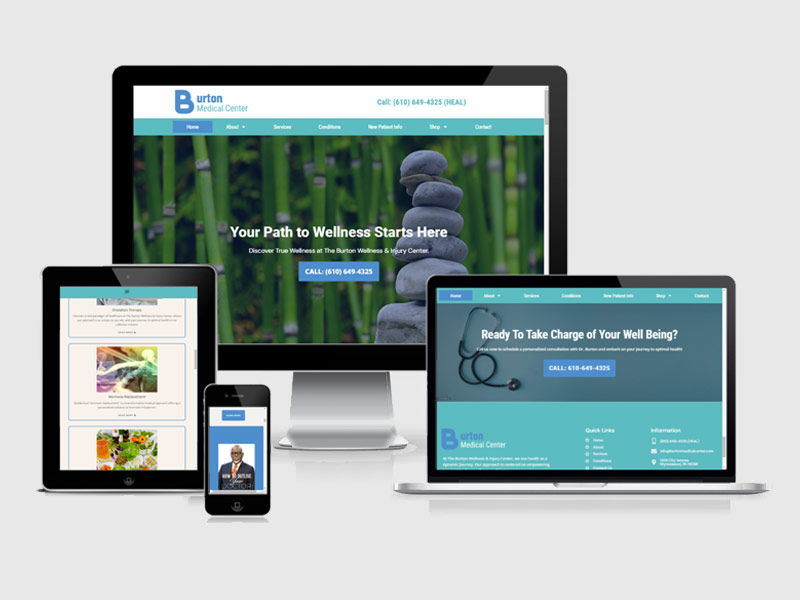
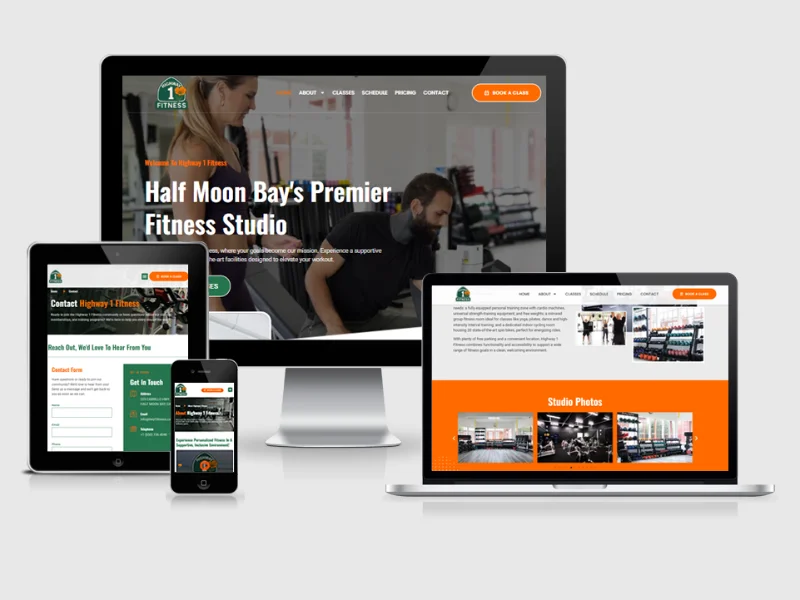


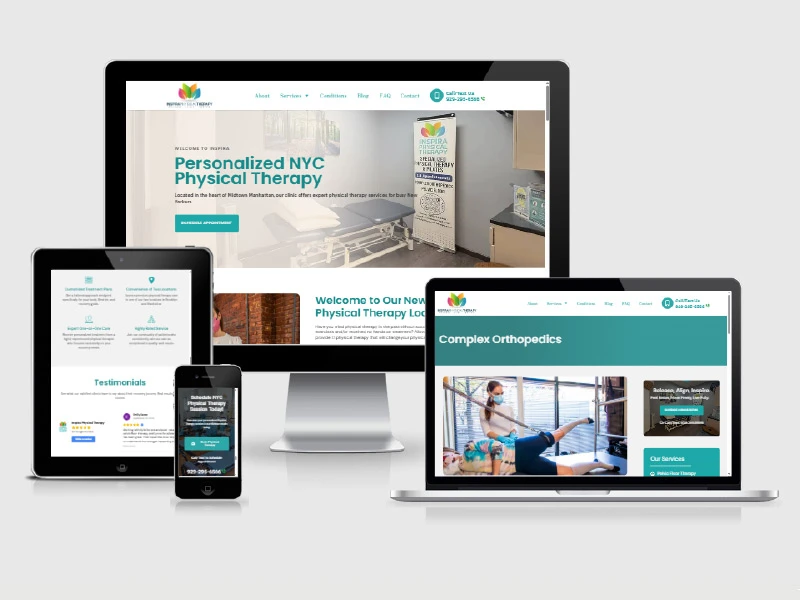


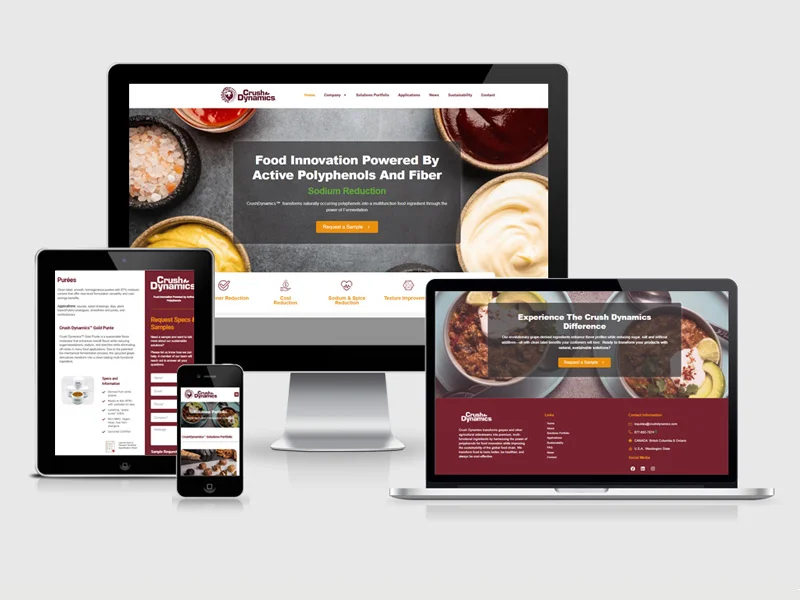
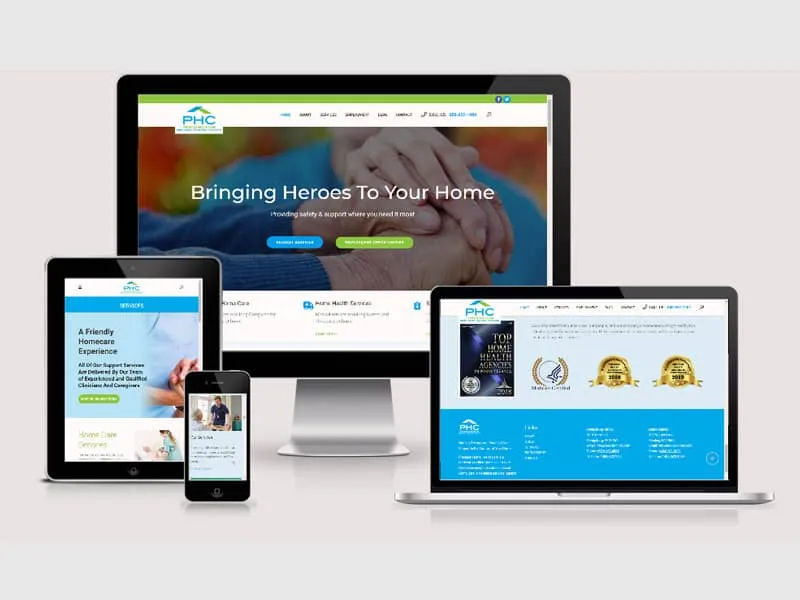
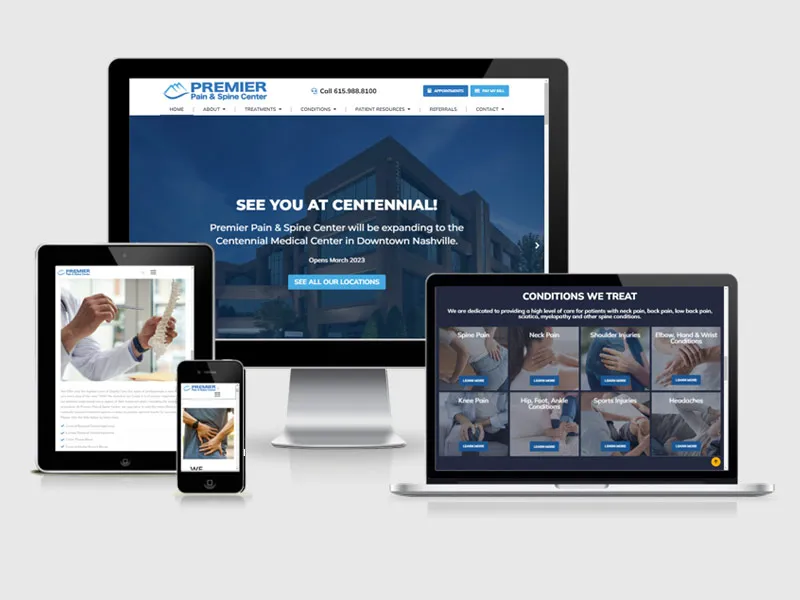

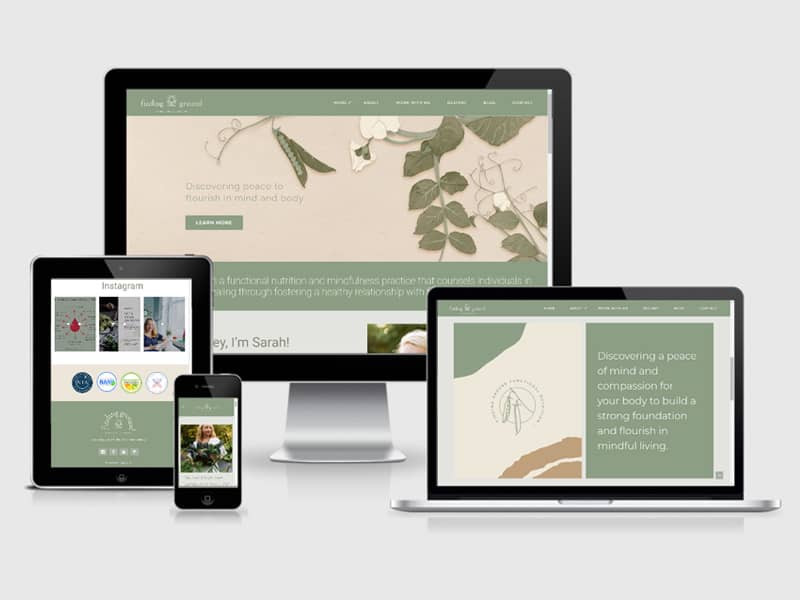


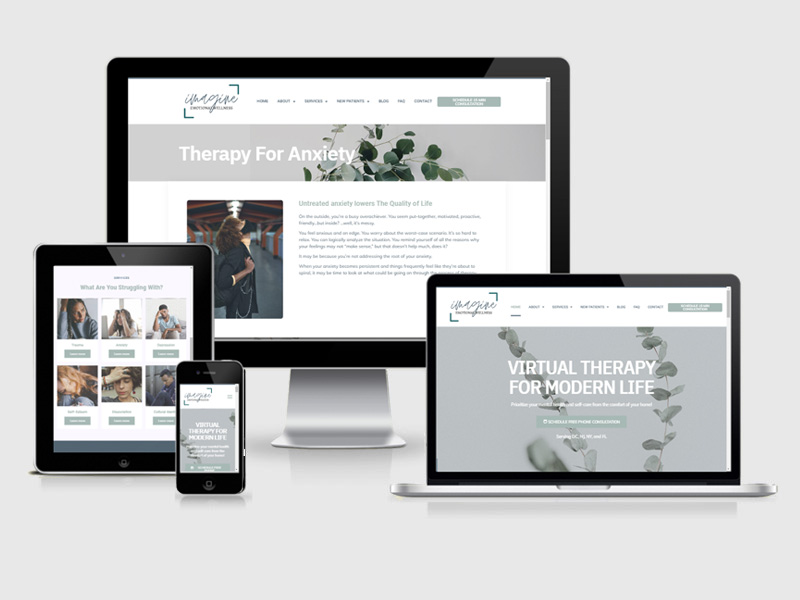
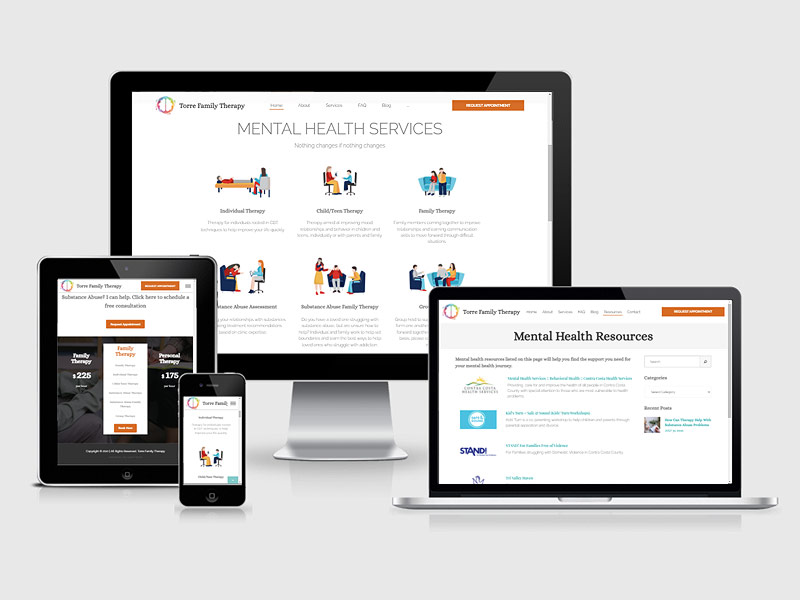
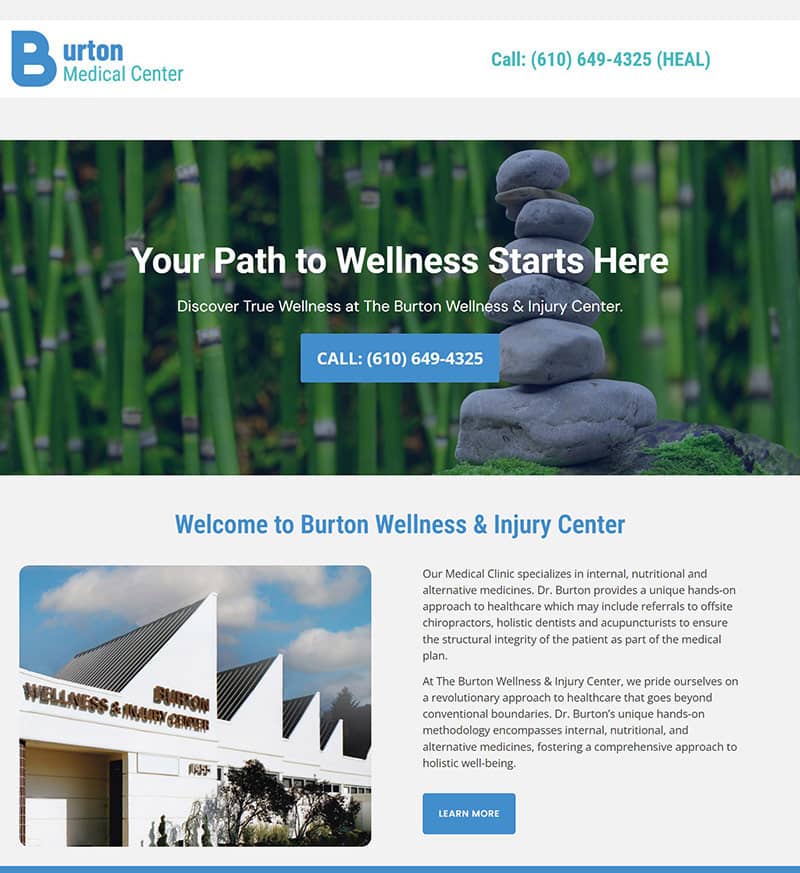
The best holistic websites share a few traits regardless of the specific modality. They use authentic photography, keep layouts uncluttered, place booking CTAs prominently, and write copy from the client’s point of view rather than the practitioner’s.
What separates good from great: A good wellness website has professional design and clear navigation. A great one speaks directly to the visitor’s pain point within the first 5 seconds. The headline says “Struggling with chronic fatigue that your doctor can’t explain?” instead of “Welcome to our holistic health practice.”
Browse more website design work in our portfolio
Common mistakes holistic practitioners make with their websites
Using stock photos instead of real practice imagery
The generic woman in white linen doing yoga on a beach at sunset. You’ve seen her on 400 wellness websites. Your visitors have too. Stock photos signal that you didn’t invest in your own imagery, which makes visitors wonder what else you didn’t invest in. Hire a photographer for a half-day shoot and get images of your actual space, your hands doing actual work, and your real face.
Writing about yourself instead of your client’s problems
“I am a board-certified naturopathic physician with 15 years of experience specializing in integrative approaches to wellness.” That sentence tells your visitor nothing about whether you can help them. Try: “Women with Hashimoto’s come to me after years of being told their thyroid is fine. We run the labs your doctor didn’t order and build a protocol that actually matches your body.” Your credentials matter. They just don’t belong in the headline.
No clear booking path from any page
If your only call to action is a contact form buried on your contact page, you’re losing clients on every other page of your site. Add a “Book a Consultation” button to your navigation bar, your homepage hero section, the bottom of every service page, and your about page. Make the next step obvious everywhere.
Ignoring site speed and mobile performance
A 13-second delay in page load time reduces conversions by 7%. Most holistic websites we audit load in 5 to 8 seconds on mobile because of uncompressed images, too many plugins, and cheap hosting. Run your URL through Google PageSpeed Insights. If your mobile score is below 50, you’re losing visitors to slow loading. The right WordPress plugins can fix most performance issues without a redesign.
How to plan your holistic website in 7 steps
Step 1. Define your ideal client and the problem you solve. Write one sentence: “I help [specific person] with [specific problem] achieve [specific outcome].” Everything on your website flows from this sentence.
Step 2. Choose your platform. WordPress with Elementor gives maximum flexibility and works well for practices that want to grow their content and SEO over time. Squarespace is simpler to maintain and works for practitioners who want a professional site without much ongoing technical work.
Step 3. Plan your page structure. Start with: home, about, services (one page per service), booking, blog, contact. Add pages as you grow. You don’t need 30 pages on launch day.
Step 4. Write homepage copy that leads with the client’s problem. Not your credentials. Not your philosophy. Start with what your ideal client is feeling right now, then show them you understand, then present your approach as the solution.
Step 5. Set up online booking. Integrate Calendly, Practice Better, or Jane App so clients can book without emailing you. Embed the booking widget on your website. Test it yourself on mobile.
Step 6. Add trust signals. Client testimonials, professional photography, credentials and certifications, association memberships, and media mentions. Place them throughout the site, not just on one page.
Step 7. Launch with local SEO and a content plan. Set up Google Business Profile, submit your sitemap to Google Search Console, and plan your first 4 blog posts targeting keywords your ideal clients search for. Consistency beats perfection.
We are here to help
Planning a website takes time. Sure, you can try to do it yourself, but running a practice doesn’t leave much time for building a website. Between clients, charting, billing, and everything else on your plate, most practitioners stall somewhere around step 3 or 4. That’s where we come in. We handle the platform setup, sitemap or page structure, wireframes, copy, SEO, booking integration, and launch so you can stay focused on your clients.
Book a discovery call so we can discuss how we can help and if it’s a good fit.
Frequently asked questions about holistic web design
What should a holistic practitioner’s website include?
At minimum: a homepage with clear messaging, an about page with credentials and professional photos, individual service pages for each offering, a booking or contact system, client testimonials, and a blog. Functional medicine practices also need patient education pages and supplement dispensary integration.
How do I make my wellness website HIPAA compliant?
Use a HIPAA-compliant form provider (IntakeQ, Jotform HIPAA) or a practice management system with built-in secure forms (Practice Better, Jane App, SimplePractice). Standard WordPress contact form plugins are not HIPAA-compliant. Your hosting provider needs to offer a Business Associate Agreement (BAA) if patient data touches your server.
What platform is best for holistic practitioners?
WordPress with Elementor is the most flexible option for practitioners who want to grow their content and SEO presence. At Happy Website Design we mainly use WordPress and Elementor which makes it easy to scale websites and for clients to maintain them after the launch.
Squarespace is simpler to maintain and works well for solo practitioners. Wix is the easiest to use but offers less customization. Avoid custom-coded sites unless you have a developer on retainer.
How long does it take to build a holistic website?
A basic site takes 4 to 6 weeks. A mid-range site with booking integration and custom design takes 6 to 8 weeks. A full custom site with patient portal, e-commerce, and content writing takes 8 to 12 weeks. The biggest delay is usually content, not design. Have your copy written before the design process starts.
Do I need a blog on my wellness website?
Yes. Blog content is how you rank in search engines for the health questions your ideal clients type into Google. A functional medicine practitioner who publishes articles about thyroid health, gut issues, and hormone balance will attract patients who are already interested in those exact services. Aim for 2 to 4 posts per month.
How do I attract clients through my holistic website?
Three channels drive the most qualified traffic: Google Business Profile (local searches and map results), blog content optimized for search (condition-specific articles), and referral traffic from directories like Psychology Today, Healthgrades, and practitioner-specific platforms like Heallist. Paid advertising works too, but organic search delivers the highest quality leads over time.
What colors work best for wellness websites?
Earth tones (sage green, warm beige, terracotta), muted blues, and soft neutrals create a calming visual experience. The specific palette should match your brand personality. A vibrant fitness-focused wellness coach can use brighter colors. A trauma-informed therapist should lean toward softer, more grounded tones. Avoid harsh reds, neon colors, and high-contrast combinations that feel clinical.
Should my holistic website include pricing?
Yes. Practitioners who publish pricing (or at least price ranges) get higher-quality inquiries because visitors self-qualify before contacting you. You don’t need to list every fee, but a general sense of investment helps. “Initial consultations start at $250” is enough to set expectations and filter out clients who aren’t the right fit.
How do I optimize my wellness site for local search?
Claim your Google Business Profile, fill out every field, and post photos weekly. Add your city and state to your homepage title tag. Create a dedicated page for each location you serve. Get listed in health-specific directories (Healthgrades, Zocdoc, Psychology Today). Ask every satisfied client to leave a Google review. Consistency across all listings (name, address, phone number matching everywhere) is critical. Our local SEO guide for medical practices covers this process in detail.
What’s the difference between holistic web design and regular web design?
Regular web design focuses on layout, branding, and functionality. Holistic web design adds a layer of emotional design, trust-building, practitioner-specific integrations (booking, telehealth, supplement dispensing), and compliance considerations (HIPAA, ADA). The target audience for a holistic site often arrives with more skepticism and more emotional vulnerability than a typical service business customer.
What does a holistic website cost?
A custom WordPress website for a holistic practice built by our agency, Happy Website Design runs between $2,000 and $5,500 for most solo practitioners and small clinics. That price covers design, mobile responsiveness, SEO setup, and a booking integration. Template-based options start lower, but they limit your control over layout, page speed, and search rankings. We price every project based on the number of pages, whether you need e-commerce for supplements, and how much content migration is involved. Get a quote for your practice.
Web Design for Holistic Practitioners
Happy Website Design has built websites for health and wellness practitioners for over 20 years. We work with functional medicine doctors, therapists, energy healers, nutritionists, and wellness coaches across Washington state and nationally.
We design on WordPress with Elementor, handle SEO setup and content strategy, and integrate your booking system, intake forms, and patient tools directly into your site.
If your current website isn’t attracting the right clients or doesn’t reflect the quality of your practice, book a free discovery call or tell us what you need help with and we’ll walk through what’s working, what’s not, and what it would take to fix it.